


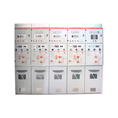

In recent years, the global push towards sustainable energy has led to a significant increase in the adoption of renewable energy sources such as solar, wind, and hydroelectric power. As a leading supplier of Portable Electrical Substations, I've witnessed firsthand the growing demand for solutions that can effectively integrate these renewable energy sources into the existing power grid. This blog post aims to explore the compatibility of portable electrical substations with renewable energy sources, highlighting their benefits and potential challenges.
The Rise of Renewable Energy
Renewable energy has become a cornerstone of the global energy transition. Solar power, for instance, has seen exponential growth due to falling costs and technological advancements. Wind energy is also a major player, with large - scale wind farms being established across the globe. Hydroelectric power, a well - established renewable source, continues to contribute significantly to the energy mix.
However, the intermittent nature of renewable energy sources presents a unique challenge. Solar power generation depends on sunlight, and wind power generation is reliant on wind speed. This intermittency can lead to fluctuations in power output, which need to be managed to ensure a stable and reliable electricity supply.
Portable Electrical Substations: An Overview
Portable electrical substations are self - contained units that can be easily transported and installed at various locations. They are designed to step up or step down voltage levels, protect the electrical system from faults, and distribute power efficiently. These substations are highly versatile and can be used in a wide range of applications, from temporary construction sites to emergency power supply situations.
One of the key advantages of portable electrical substations is their flexibility. They can be quickly deployed to areas where traditional substations are not available or where there is a need for a temporary power solution. This makes them an ideal choice for integrating renewable energy sources, especially in remote or off - grid locations.
Compatibility with Renewable Energy Sources
Solar Power
Solar power systems typically generate electricity at a relatively low voltage. Portable electrical substations can be used to step up this voltage to a level suitable for grid connection. For example, a solar farm may produce electricity at 480V, but the grid may require a much higher voltage, such as 13.8kV or 34.5kV. A portable substation can efficiently perform this voltage conversion, ensuring that the solar - generated power can be fed into the grid.
Moreover, portable substations can help manage the variability of solar power. They can be equipped with energy storage systems, such as batteries, to store excess energy during periods of high solar generation and release it when the sun is not shining. This helps to smooth out the power output and maintain a stable supply to the grid.
Wind Power
Wind turbines generate electricity at variable frequencies and voltages. Portable electrical substations can be used to convert the generated power to a stable frequency and voltage suitable for grid connection. They can also protect the wind power system from faults and surges, ensuring the reliable operation of the turbines.


In addition, portable substations can be used in offshore wind farms. These substations can be installed on floating platforms, providing a compact and efficient solution for power collection and transmission from the turbines to the on - shore grid.
Hydroelectric Power
Hydroelectric power plants, especially small - scale ones, can benefit from portable electrical substations. These substations can be used to step up the voltage of the generated power and connect it to the grid. They can also be used to manage the power output of the hydroelectric plant, ensuring that it operates within the grid's requirements.
Benefits of Using Portable Electrical Substations with Renewable Energy
Flexibility
Portable electrical substations can be easily moved and installed at different locations, allowing for the quick integration of renewable energy sources. This is particularly useful in areas where the availability of renewable resources varies, such as regions with seasonal wind patterns or solar irradiance.
Cost - effectiveness
Compared to traditional fixed substations, portable electrical substations are generally more cost - effective. They require less capital investment and can be rented or leased, reducing the upfront costs for renewable energy project developers.
Quick Deployment
In emergency situations or for temporary renewable energy projects, portable electrical substations can be deployed rapidly. This allows for the timely connection of renewable energy sources to the grid, minimizing downtime and ensuring a continuous power supply.
Challenges and Solutions
Grid Integration
Integrating renewable energy sources with the existing grid can be complex. Portable electrical substations need to be designed to meet the grid's technical requirements, such as voltage regulation, frequency control, and power quality. To address this challenge, advanced control systems can be installed in the substations to monitor and adjust the power output in real - time.
Energy Storage
As mentioned earlier, the intermittent nature of renewable energy sources requires effective energy storage solutions. Portable electrical substations can be integrated with energy storage systems, such as batteries or flywheels, to store excess energy and release it when needed. However, the cost and efficiency of energy storage technologies are still major challenges that need to be addressed.
Environmental Considerations
Portable electrical substations need to be designed with environmental considerations in mind. They should be constructed using sustainable materials and have a minimal impact on the environment. Additionally, the operation of the substations should comply with environmental regulations, such as noise and emissions standards.
Other Related Substation Solutions
In addition to Portable Electrical Substations, we also offer Integrated Substation and Compact Secondary Substation solutions. These substations are designed to provide efficient and reliable power distribution, and they can also be integrated with renewable energy sources.
Integrated substations combine multiple functions, such as power transformation, protection, and control, into a single unit. This makes them highly efficient and space - saving, which is particularly beneficial for renewable energy projects with limited space.
Compact secondary substations are designed for low - voltage distribution networks. They are compact in size and can be easily installed in urban areas or small - scale renewable energy projects.
Conclusion
Portable electrical substations are highly compatible with renewable energy sources. They offer a flexible, cost - effective, and quick - deployment solution for integrating solar, wind, and hydroelectric power into the grid. While there are challenges such as grid integration, energy storage, and environmental considerations, these can be addressed through advanced technologies and careful design.
If you are involved in a renewable energy project and are looking for a reliable substation solution, we invite you to contact us for a detailed discussion. Our team of experts can help you select the most suitable substation for your specific needs and provide you with the support and service you require.
References
- International Renewable Energy Agency (IRENA). "Renewable Energy Statistics 2023".
- U.S. Department of Energy. "Grid Integration of Renewable Energy".
- IEEE Standards Association. "Standards for Electrical Substations".