


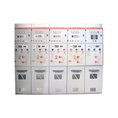

As a supplier of outdoor type substations, adhering to national standards is not only a legal requirement but also a crucial factor in ensuring the safety, reliability, and efficiency of our products. In this blog, I will share some insights on how to follow the national standards for outdoor type substations.
Understanding the National Standards
The first step in following national standards is to have a comprehensive understanding of them. National standards for outdoor type substations typically cover various aspects, including design, construction, installation, operation, and maintenance. These standards are developed by regulatory bodies to ensure the safety of personnel, the protection of the environment, and the proper functioning of the electrical system.
For example, standards may specify the minimum clearance distances between electrical equipment and the ground, the requirements for insulation materials, and the protection against lightning and other environmental factors. It is essential to stay updated with the latest version of the standards, as they may change over time to incorporate new technologies and safety requirements.
Design and Engineering
In the design phase, it is crucial to incorporate the national standards into the overall design of the outdoor type substation. This includes selecting the appropriate equipment and materials that meet the standards. For instance, when choosing transformers, switchgear, and other electrical components, we need to ensure that they are certified to meet the relevant national standards.
The layout of the substation also needs to comply with the standards. The spacing between different equipment should be designed to allow for easy access for maintenance and to prevent the spread of fire or other hazards. Additionally, the substation should be designed to withstand the local environmental conditions, such as high winds, heavy rainfall, and extreme temperatures.
Quality Control in Manufacturing
During the manufacturing process, strict quality control measures should be implemented to ensure that the outdoor type substation meets the national standards. This includes inspecting the raw materials, monitoring the production process, and conducting various tests on the finished products.


For example, we can perform electrical tests to check the insulation resistance, dielectric strength, and other electrical parameters of the equipment. Mechanical tests can also be carried out to ensure the structural integrity of the substation. By adhering to a rigorous quality control system, we can minimize the risk of defects and ensure that the products are of high quality.
Installation and Commissioning
Proper installation and commissioning are essential for the substation to operate safely and efficiently. The installation process should follow the guidelines provided in the national standards. This includes ensuring that the substation is installed on a stable foundation, the electrical connections are properly made, and the grounding system is in place.
During the commissioning phase, a series of tests should be conducted to verify that the substation is functioning correctly. These tests may include functional tests, protection system tests, and load tests. Only after all the tests are successfully completed can the substation be put into operation.
Operation and Maintenance
Once the outdoor type substation is in operation, regular maintenance is required to ensure its continued compliance with the national standards. This includes routine inspections, cleaning, and lubrication of the equipment. Any signs of wear and tear or potential problems should be addressed promptly.
The maintenance personnel should be trained to understand the national standards and to perform their tasks in accordance with them. They should also keep detailed records of the maintenance activities, including the date, type of maintenance, and any findings or actions taken.
Specific Types of Outdoor Type Substations
There are several types of outdoor type substations, each with its own characteristics and requirements. For example, the Master Unit Substation is a pre - fabricated and modular substation that offers a high degree of flexibility and ease of installation. It is designed to meet the specific needs of different applications and should comply with the relevant national standards in terms of electrical performance, structural integrity, and safety.
The Kiosk Type Substation is a compact and self - contained substation that is often used in urban areas. It needs to meet the standards for space utilization, noise reduction, and environmental protection. The MV LV Substation is designed to step down the medium - voltage power to low - voltage power and should comply with the standards for voltage regulation, power quality, and protection.
Training and Education
To ensure that all employees involved in the design, manufacturing, installation, operation, and maintenance of outdoor type substations understand and follow the national standards, training and education programs should be implemented. These programs can cover the theoretical knowledge of the standards as well as practical skills for applying them.
For example, new employees can be provided with an orientation training on the national standards, and existing employees can participate in regular refresher courses to stay updated with the latest changes. By investing in training and education, we can improve the overall quality of our products and services.
Collaboration with Regulatory Bodies
Collaborating with regulatory bodies is an important aspect of following the national standards. We can participate in industry consultations and provide feedback on the development and revision of the standards. This not only helps us to stay informed about the upcoming changes but also allows us to contribute to the improvement of the standards.
In addition, we should cooperate with regulatory inspections and audits. By being transparent and providing accurate information, we can demonstrate our commitment to compliance and build a good relationship with the regulatory authorities.
Conclusion
Following the national standards for outdoor type substations is a complex but necessary task. As a supplier, we need to understand the standards, incorporate them into every stage of the product lifecycle, and ensure that all employees are aware of and comply with them. By doing so, we can provide high - quality products that meet the safety and performance requirements of our customers.
If you are interested in purchasing outdoor type substations and want to discuss your specific needs, please feel free to contact us. We are committed to providing you with the best solutions that comply with the national standards.
References
- National Electrical Safety Code (NESC)
- International Electrotechnical Commission (IEC) standards related to substations
- Local regulatory requirements for outdoor type substations