


As a seasoned supplier of low voltage switchgear, I've witnessed firsthand the pivotal role these systems play in modern electrical infrastructure. Low voltage switchgear is not just a collection of components; it's a sophisticated communication hub that ensures the safe and efficient distribution of electrical power. In this blog, I'll delve into the various communication functions of low voltage switchgear and how they contribute to the overall performance of electrical systems.
Monitoring and Data Collection
One of the primary communication functions of low voltage switchgear is monitoring and data collection. Through advanced sensors and communication interfaces, switchgear can gather real - time information about electrical parameters such as voltage, current, power, and energy consumption. This data is crucial for several reasons.
For operators, it provides visibility into the health and performance of the electrical system. By continuously monitoring these parameters, they can detect potential issues before they escalate into major problems. For example, abnormal current spikes may indicate a short - circuit or an overloaded circuit. Early detection allows for timely maintenance and reduces the risk of equipment failure and downtime.
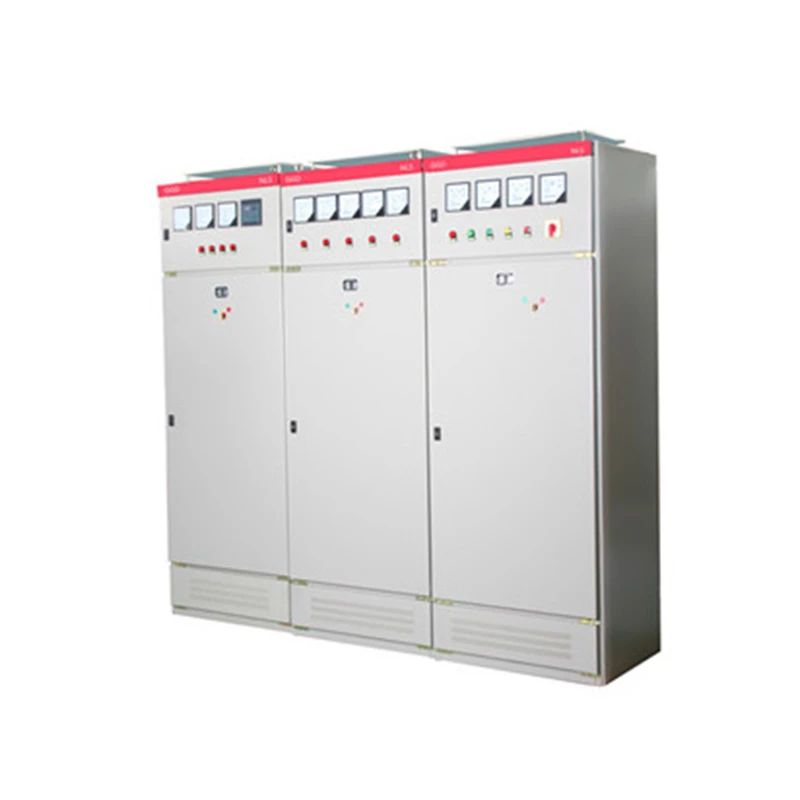
Moreover, the collected data can be used for energy management purposes. By analyzing energy consumption patterns, businesses can identify areas where energy efficiency can be improved. This not only helps in reducing operational costs but also contributes to environmental sustainability. Our Electrical Lv Panel is equipped with state - of the - art monitoring systems that provide accurate and reliable data for these purposes.
Fault Detection and Alarm Systems
Another important communication function is fault detection and alarm systems. Low voltage switchgear is designed to detect faults in the electrical system, such as short - circuits, over - currents, and under - voltages. When a fault is detected, the switchgear communicates this information to the control center or the relevant personnel in a timely manner.
The fault detection mechanism is based on sophisticated algorithms that analyze the electrical signals. Once a fault is identified, the switchgear can trigger an alarm, which can be in the form of a visual or audible signal. This allows operators to take immediate action to isolate the faulty circuit and prevent further damage to the equipment and the electrical system.
In addition to local alarms, modern low voltage switchgear can also send notifications remotely. This is particularly useful for large - scale electrical systems where continuous on - site monitoring may not be feasible. For example, our Power Factor Improvement Panel is integrated with advanced fault detection and alarm systems that ensure prompt response to any electrical issues.
Remote Control and Automation
Low voltage switchgear also enables remote control and automation. With the advancement of communication technologies, operators can control the switchgear from a remote location. This is especially beneficial in situations where access to the switchgear is difficult or dangerous.
Remote control allows operators to turn circuits on or off, adjust settings, and perform other operations without being physically present at the switchgear. This not only improves safety but also increases operational efficiency. For example, in a large industrial complex, operators can remotely control the distribution of power to different areas based on the production requirements.
Automation is another key aspect of low voltage switchgear. By programming the switchgear to perform certain tasks automatically, such as load shedding during peak demand periods, the electrical system can operate more efficiently. This reduces the need for manual intervention and ensures a more stable power supply. Our LV Distribution Box is designed to support remote control and automation, providing a high level of flexibility and control for our customers.
Communication with Other Systems
Low voltage switchgear can also communicate with other electrical and non - electrical systems. For example, it can interface with building management systems (BMS) to provide information about the electrical status of the building. This integration allows for better coordination between different systems and improves the overall efficiency of the building.
In addition, switchgear can communicate with renewable energy sources, such as solar panels and wind turbines. By integrating with these sources, the switchgear can manage the flow of power and ensure that the electrical system operates in harmony with the renewable energy generation. This is crucial for the successful implementation of sustainable energy solutions.
Inter - switchgear Communication
In a complex electrical network, multiple low voltage switchgear units may be connected together. Inter - switchgear communication is essential for ensuring the coordinated operation of these units. Through communication protocols, switchgear can exchange information about their status, such as the position of circuit breakers and the load on each circuit.
This communication allows for better load balancing and fault isolation. For example, if one switchgear unit detects a fault, it can communicate this information to other units in the network. The other units can then adjust their operation to isolate the faulty circuit and maintain the overall stability of the electrical system.
Conclusion
In conclusion, the communication functions of low voltage switchgear are essential for the safe, efficient, and reliable operation of electrical systems. From monitoring and data collection to fault detection, remote control, and communication with other systems, these functions play a crucial role in modern electrical infrastructure.
As a supplier of low voltage switchgear, we are committed to providing high - quality products that incorporate the latest communication technologies. Our products are designed to meet the diverse needs of our customers and ensure the optimal performance of their electrical systems.
If you are in the market for low voltage switchgear or have any questions about our products, we encourage you to reach out to us for a detailed discussion. We look forward to the opportunity to work with you and help you find the best solutions for your electrical needs.
References
- Electrical Power Systems: Design and Analysis by Turan Gonen
- Handbook of Electrical Engineering by H. H. Woodruff