


As a supplier of Low Voltage AC Switchgear, I often encounter inquiries regarding the feasibility of using our products in outdoor environments. This topic is crucial as it directly impacts the safety, reliability, and performance of electrical systems. In this blog, I will delve into the technical aspects, advantages, challenges, and considerations of using low voltage AC switchgear outdoors.
Technical Considerations
Low voltage AC switchgear is designed to control, protect, and isolate electrical circuits operating at relatively low voltages, typically below 1000 volts. When considering outdoor use, several technical factors must be taken into account.
Environmental Protection
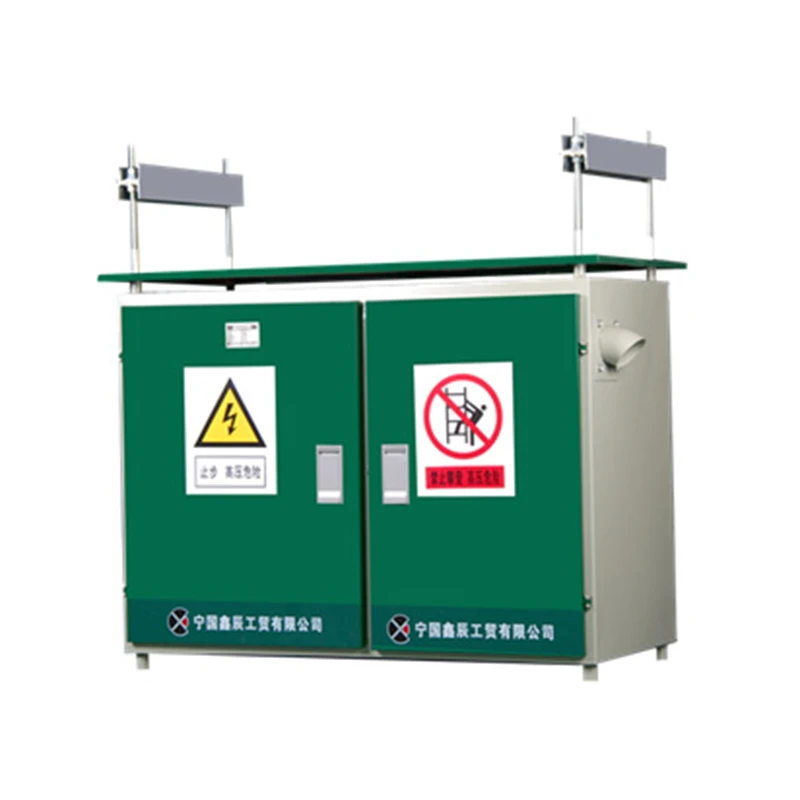
Outdoor environments expose switchgear to a wide range of weather conditions, including rain, snow, humidity, and extreme temperatures. Therefore, the switchgear must be equipped with appropriate environmental protection features. This includes enclosures that are rated for outdoor use, such as NEMA (National Electrical Manufacturers Association) 3R, 4, or 4X enclosures. These enclosures provide protection against dust, water, and corrosion, ensuring the long - term reliability of the switchgear.
Temperature and Humidity
Extreme temperatures can affect the performance of electrical components. High temperatures can cause overheating, which may lead to component failure. Conversely, low temperatures can make materials brittle and affect the operation of moving parts. Additionally, high humidity can cause condensation inside the switchgear, leading to short circuits and corrosion. To mitigate these issues, our switchgear is designed with temperature - and humidity - resistant materials and ventilation systems to maintain a stable internal environment.

UV Resistance
Exposure to ultraviolet (UV) radiation from the sun can degrade the materials used in the switchgear enclosure. UV - resistant coatings and materials are used in our products to prevent cracking, fading, and loss of mechanical strength over time.
Advantages of Using Low Voltage AC Switchgear Outdoors
Space Utilization
Placing switchgear outdoors can free up valuable indoor space, especially in industrial facilities where space is at a premium. This can lead to more efficient use of the available area and potentially reduce construction costs.
Ease of Installation and Maintenance
Outdoor switchgear can be installed without the need for extensive indoor infrastructure. It can also be more accessible for maintenance and repairs, as technicians can work directly on the equipment without having to navigate through indoor facilities.
Flexibility
Outdoor switchgear can be easily relocated or expanded as the electrical requirements of a facility change. This provides greater flexibility compared to indoor - only installations.
Challenges and Solutions
Security
Outdoor switchgear is more vulnerable to vandalism and unauthorized access. To address this issue, we offer security features such as lockable enclosures, alarm systems, and surveillance cameras.
Lightning Protection
Outdoor switchgear is at risk of being struck by lightning. Lightning protection systems, such as surge arresters, are installed to divert the high - energy lightning strikes away from the switchgear and protect the electrical components.
Remote Monitoring and Control
To ensure the continuous operation of outdoor switchgear, remote monitoring and control systems are essential. These systems allow operators to monitor the status of the switchgear, detect faults, and perform necessary adjustments from a central location.
Specific Products for Outdoor Use
Our product range includes several types of low voltage AC switchgear suitable for outdoor environments.
LV Distribution Box
The LV Distribution Box is designed to distribute electrical power to various loads in an outdoor setting. It is equipped with circuit breakers, fuses, and other protective devices to ensure the safe and reliable distribution of electricity.
Power Factor Improvement Panel
The Power Factor Improvement Panel helps to improve the power factor of the electrical system, reducing energy consumption and improving the efficiency of the overall system. It is suitable for outdoor use in industrial and commercial applications.
Power Factor Correction Panel
The Power Factor Correction Panel is another important product for outdoor electrical systems. It corrects the power factor by compensating for the reactive power, which helps to reduce electricity costs and improve the stability of the electrical grid.
Considerations for Outdoor Installation
Location Selection
The location of the outdoor switchgear should be carefully selected to avoid areas prone to flooding, high winds, or other environmental hazards. It should also be easily accessible for maintenance and inspection.
Mounting and Foundation
Proper mounting and foundation are essential for the stability of the switchgear. The switchgear should be mounted on a solid foundation to prevent movement and ensure proper alignment.
Cable Management
Effective cable management is crucial for outdoor switchgear. Cables should be properly routed, protected, and labeled to prevent damage and ensure easy identification.
Conclusion
In conclusion, low voltage AC switchgear can be used in outdoor environments with proper design, installation, and maintenance. Our company, as a leading supplier of low voltage AC switchgear, offers a wide range of products that are specifically designed to meet the challenges of outdoor use. We understand the importance of reliability, safety, and performance in outdoor electrical systems, and we are committed to providing high - quality solutions to our customers.
If you are considering using low voltage AC switchgear in an outdoor environment, we invite you to contact us for more information and to discuss your specific requirements. Our team of experts is ready to assist you in selecting the right products and ensuring a successful installation.
References
- National Electrical Manufacturers Association (NEMA) standards for electrical enclosures.
- IEEE (Institute of Electrical and Electronics Engineers) standards for electrical safety and performance.
- Industry best practices for outdoor electrical installations.