


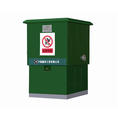

Selecting the appropriate fuse for low voltage switchgear is a crucial task that directly impacts the safety and reliability of electrical systems. As a leading low voltage switchgear supplier, we understand the significance of making informed decisions when it comes to fuse selection. In this blog post, we will delve into the key factors to consider when choosing a fuse for low voltage switchgear, providing you with valuable insights to ensure optimal performance and protection.
Understanding the Basics of Fuses
Before we dive into the selection process, let's first understand what a fuse is and how it functions. A fuse is a safety device designed to protect electrical circuits from overcurrent conditions. It consists of a metal wire or strip that melts when excessive current flows through it, thereby interrupting the circuit and preventing damage to the equipment and wiring.
Fuses are available in various types and ratings, each designed to meet specific application requirements. The most common types of fuses used in low voltage switchgear include cartridge fuses, blade fuses, and miniature fuses. These fuses differ in terms of their physical size, current rating, voltage rating, and breaking capacity.
Factors to Consider When Selecting a Fuse
When selecting a fuse for low voltage switchgear, several factors need to be taken into account to ensure proper protection and performance. Here are the key factors to consider:
1. Current Rating
The current rating of a fuse is the maximum current that it can carry continuously without melting. It is essential to select a fuse with a current rating that is appropriate for the load current of the circuit. If the current rating is too low, the fuse may blow prematurely, causing unnecessary downtime. On the other hand, if the current rating is too high, the fuse may not provide adequate protection in the event of an overcurrent condition.
To determine the appropriate current rating, you need to calculate the full load current of the circuit. This can be done by dividing the power (in watts) by the voltage (in volts). For example, if a circuit has a power of 1000 watts and a voltage of 230 volts, the full load current would be approximately 4.35 amps. In this case, you would need to select a fuse with a current rating slightly higher than 4.35 amps, such as a 5-amp fuse.
2. Voltage Rating
The voltage rating of a fuse is the maximum voltage that it can safely interrupt. It is important to select a fuse with a voltage rating that is equal to or higher than the system voltage. Using a fuse with a lower voltage rating can result in arcing and failure of the fuse, which can pose a safety hazard.
3. Breaking Capacity
The breaking capacity of a fuse is the maximum current that it can safely interrupt without causing damage to the fuse or the surrounding equipment. It is typically expressed in kiloamperes (kA). When selecting a fuse, it is important to choose one with a breaking capacity that is appropriate for the short-circuit current of the system. If the breaking capacity is too low, the fuse may not be able to interrupt the fault current, which can lead to equipment damage and electrical fires.
4. Time-Current Characteristics
The time-current characteristics of a fuse describe how the fuse responds to different levels of overcurrent. There are two main types of time-current characteristics: fast-acting and slow-blow. Fast-acting fuses are designed to blow quickly in the event of a short circuit or overcurrent condition, providing rapid protection to the circuit. Slow-blow fuses, on the other hand, are designed to withstand short-term overloads without blowing, making them suitable for applications where inrush currents are common.


5. Application Requirements
The specific application requirements of the low voltage switchgear also need to be considered when selecting a fuse. For example, if the switchgear is used in a critical application where downtime is not acceptable, a high-quality, reliable fuse may be required. Additionally, if the switchgear is exposed to harsh environmental conditions, such as high temperatures or humidity, a fuse with appropriate environmental ratings may be necessary.
Types of Fuses for Low Voltage Switchgear
There are several types of fuses that are commonly used in low voltage switchgear. Here are some of the most popular types:
1. Cartridge Fuses
Cartridge fuses are one of the most common types of fuses used in low voltage switchgear. They consist of a cylindrical body with metal end caps and a fuse element inside. Cartridge fuses are available in a variety of sizes and current ratings, making them suitable for a wide range of applications.
2. Blade Fuses
Blade fuses are another popular type of fuse used in low voltage switchgear. They are typically used in automotive and industrial applications and are available in a variety of sizes and current ratings. Blade fuses are easy to install and replace, making them a convenient choice for many applications.
3. Miniature Fuses
Miniature fuses are small, compact fuses that are commonly used in electronic devices and low voltage circuits. They are available in a variety of sizes and current ratings and are designed to provide protection against overcurrent conditions.
Conclusion
Selecting the appropriate fuse for low voltage switchgear is a critical decision that can have a significant impact on the safety and reliability of electrical systems. By considering the factors discussed in this blog post, you can make an informed decision when choosing a fuse for your low voltage switchgear.
As a leading low voltage switchgear supplier, we offer a wide range of high-quality fuses that are designed to meet the specific needs of our customers. Our fuses are available in a variety of types and ratings, ensuring that you can find the right fuse for your application.
If you are interested in learning more about our low voltage switchgear products or need assistance with fuse selection, please [contact us] to discuss your requirements. We look forward to working with you to provide the best solutions for your electrical systems.
References
- Electrical Installation Guide, IEC 60364
- Fuse Selection Guide, UL Standards
- Low Voltage Switchgear Handbook, Schneider Electric