



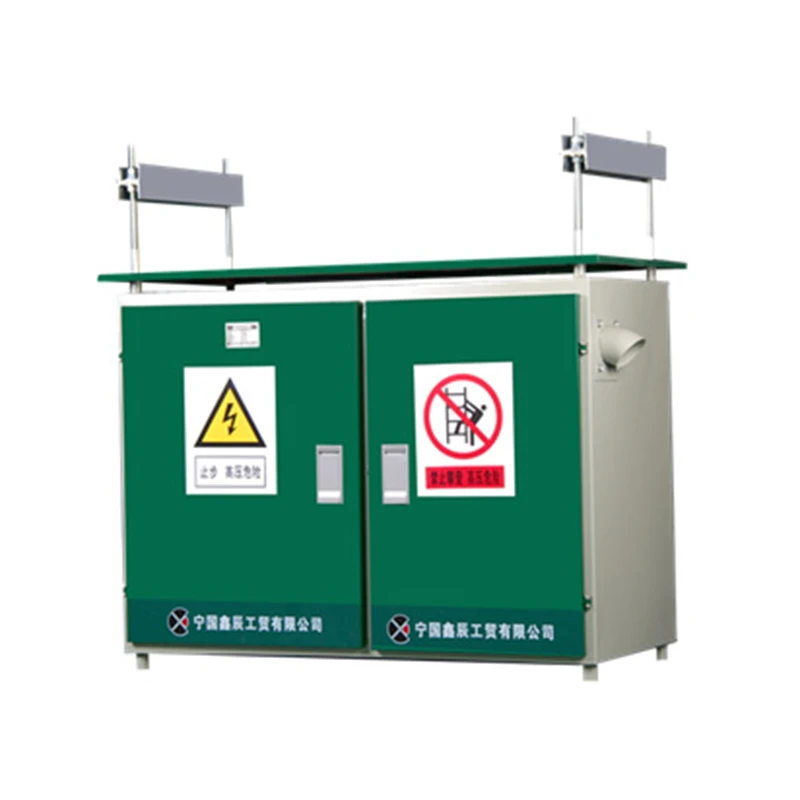
Hey there! As a supplier of LV Distribution Boxes, I've seen firsthand how different environmental factors can impact these crucial pieces of equipment. One factor that often flies under the radar but can have a significant effect is humidity. In this blog, I'm going to break down exactly what humidity does to an LV Distribution Box and why it matters.
Understanding Humidity and Its Basics
Before we dive into the effects, let's quickly go over what humidity is. Humidity refers to the amount of water vapor present in the air. It's usually expressed as a percentage, known as relative humidity. When the relative humidity is high, there's a lot of moisture in the air, and when it's low, the air is dry.
Now, you might be wondering, why should I care about humidity when it comes to my LV Distribution Box? Well, these boxes are designed to house electrical components that need to operate in a stable environment. Any changes in humidity can disrupt that stability and lead to a whole host of problems.
The Effects of High Humidity on LV Distribution Boxes
Corrosion
One of the most significant issues caused by high humidity is corrosion. When there's a lot of moisture in the air, it can settle on the metal components inside the distribution box. Over time, this moisture can react with the metal, causing it to rust. Corrosion can weaken the structural integrity of the box and its components, leading to potential failures. For example, if the busbars inside the box start to corrode, it can affect the flow of electricity and increase the risk of short circuits.
Insulation Degradation
High humidity can also have a negative impact on the insulation materials used in the distribution box. Moisture can seep into the insulation, reducing its effectiveness. This can lead to increased electrical leakage, which not only wastes energy but also poses a safety hazard. In extreme cases, the insulation may break down completely, resulting in a short circuit or even an electrical fire.
Mold Growth
Another problem associated with high humidity is mold growth. Mold thrives in moist environments, and the inside of a distribution box can provide the perfect conditions for it to grow. Mold can damage the electrical components and insulation, and it can also pose a health risk to anyone who comes into contact with it. Additionally, mold growth can cause unpleasant odors and reduce the overall lifespan of the distribution box.
Condensation
When the temperature inside the distribution box drops below the dew point, condensation can occur. Condensation is the process by which water vapor in the air turns into liquid water. This can happen when the box is exposed to sudden temperature changes or when there's a large difference between the temperature inside and outside the box. Condensation can cause electrical shorts and damage to the components, as well as promote corrosion and mold growth.
The Effects of Low Humidity on LV Distribution Boxes
While high humidity is often the main concern, low humidity can also have its own set of problems. When the air is too dry, it can cause static electricity to build up. Static electricity can discharge suddenly, potentially damaging the sensitive electronic components inside the distribution box. Additionally, low humidity can cause the insulation materials to become brittle and crack, reducing their effectiveness and increasing the risk of electrical problems.
How to Mitigate the Effects of Humidity
So, what can you do to protect your LV Distribution Box from the effects of humidity? Here are a few tips:
Use a Dehumidifier
Installing a dehumidifier inside the distribution box can help to reduce the humidity levels and prevent condensation. Dehumidifiers work by removing moisture from the air, keeping the environment inside the box dry and stable.
Seal the Box
Make sure the distribution box is properly sealed to prevent moisture from entering. Use gaskets and seals around the doors and access panels to create a tight seal. This can help to keep the humidity levels inside the box under control.

Monitor the Humidity
Regularly monitor the humidity levels inside the distribution box using a hygrometer. This will allow you to detect any changes in humidity and take appropriate action before it causes any damage.
Choose the Right Location
When installing the distribution box, choose a location that is dry and well-ventilated. Avoid areas that are prone to flooding or high humidity, such as basements or near water sources.
Conclusion
In conclusion, humidity can have a significant impact on the performance and lifespan of an LV Distribution Box. High humidity can cause corrosion, insulation degradation, mold growth, and condensation, while low humidity can lead to static electricity and brittle insulation. By taking the necessary precautions, such as using a dehumidifier, sealing the box, monitoring the humidity, and choosing the right location, you can protect your distribution box from the effects of humidity and ensure its reliable operation.
If you're in the market for an LV Distribution Box or need more information about how to protect it from humidity, feel free to [contact us](insert contact link here). We're a leading supplier of Power Factor Correction Panel, Low Tension Switchgear, and Power Factor Improvement Panel, and we're here to help you find the right solution for your needs.
References
- "Electrical Equipment and Humidity: A Guide to Understanding and Mitigating Risks." Electrical Safety Foundation International.
- "The Effects of Humidity on Electrical Systems." IEEE Transactions on Industry Applications.