


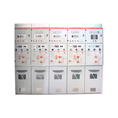


As a seasoned supplier of High Voltage Cable Branch Boxes, I've witnessed firsthand the critical role these components play in modern electrical distribution systems. The installation position of a High Voltage Cable Branch Box is not a matter of random choice; it involves a comprehensive consideration of various factors to ensure the safety, efficiency, and reliability of the entire electrical network.
1. Substation Installation
One of the most common installation positions for a High Voltage Cable Branch Box is within a substation. Substations are the heart of electrical power systems, where voltage transformation and distribution occur. Installing the branch box in a substation allows for easy connection to the main power grid. It can be strategically placed near high - voltage transformers or switchgear to facilitate the branching of cables. For example, in a large - scale industrial substation, the High Voltage Cable Branch Box can be installed in a dedicated cable gallery. This location provides a controlled environment with proper ventilation and protection from external factors such as weather and physical damage. The proximity to other electrical equipment also simplifies maintenance and troubleshooting processes.
In addition, the substation environment is usually equipped with advanced monitoring and control systems. By installing the branch box here, we can easily integrate it into the overall monitoring network, enabling real - time monitoring of the cable's operating status, such as temperature, current, and voltage. This helps in early detection of potential faults and timely implementation of preventive measures.
2. Outdoor Pole - Mounted Installation
Outdoor pole - mounted installation is another popular choice, especially in rural or suburban areas. In these regions, power distribution often relies on overhead cables. Mounting the High Voltage Cable Branch Box on poles can effectively save space and reduce the need for large - scale ground - based infrastructure.
When installing on poles, several factors need to be considered. First, the height of the installation is crucial. It should be high enough to avoid accidental contact by pedestrians or vehicles but low enough to allow for easy maintenance and inspection. A typical installation height is around 3 - 5 meters above the ground. Second, the pole itself must be strong enough to support the weight of the branch box and withstand various environmental forces such as wind and ice. Steel or concrete poles are commonly used due to their high strength and durability.
Moreover, outdoor pole - mounted branch boxes need to be well - protected against harsh weather conditions. They are usually equipped with weatherproof enclosures made of materials such as stainless steel or fiberglass. These enclosures can prevent water, dust, and UV radiation from entering the box, thus ensuring the long - term stability of the internal components.
3. Underground Installation
Underground installation is a preferred option in urban areas where space is limited and aesthetic considerations are important. By burying the High Voltage Cable Branch Box underground, we can avoid the visual impact of overhead cables and reduce the risk of damage from external factors such as storms and vehicle collisions.
However, underground installation also presents some challenges. First, it requires a more complex installation process. Excavation work is needed to create a suitable pit for the branch box, and proper waterproofing measures must be taken to prevent water ingress. Second, the underground environment is relatively humid, which may accelerate the corrosion of metal components. Therefore, the branch box should be made of corrosion - resistant materials, and regular inspections are necessary to ensure its proper operation.
To facilitate maintenance and inspection, manholes are usually installed above the underground branch box. These manholes provide access to the box and allow technicians to perform necessary repairs and replacements.


4. Indoor Installation in Buildings
In some commercial or industrial buildings, High Voltage Cable Branch Boxes may be installed indoors. This is often the case when the building has its own independent electrical distribution system. Indoor installation provides a clean and protected environment for the branch box, reducing the risk of damage from external factors.
When installing indoors, the branch box should be placed in a well - ventilated area to prevent overheating. It is also important to ensure that the installation location is away from flammable materials and sources of moisture. In addition, proper cable routing and management are necessary to avoid cable entanglement and ensure the safety of the electrical system.
5. Connection with Other Electrical Equipment
The installation position of a High Voltage Cable Branch Box also needs to be considered in relation to other electrical equipment. For example, it should be installed close to Triangular Ring Main Unit or High Voltage Electrical Switchgear to minimize cable lengths and reduce power losses. The connection between the branch box and other equipment should be made using high - quality cables and connectors to ensure reliable electrical conductivity.
In some smart electrical systems, the High Voltage Cable Branch Box may be integrated with Smart Ring Main Unit. This integration allows for more intelligent management of the electrical network, such as remote monitoring, fault diagnosis, and automatic switching.
Conclusion
In conclusion, the installation position of a High Voltage Cable Branch Box depends on various factors, including the location, environmental conditions, and the requirements of the electrical system. Whether it is installed in a substation, on a pole, underground, or indoors, careful planning and consideration are necessary to ensure its proper operation and long - term reliability.
If you are in need of High Voltage Cable Branch Boxes for your electrical projects, we are here to provide you with high - quality products and professional technical support. Our team of experts can help you determine the most suitable installation position based on your specific requirements. Contact us to start a procurement negotiation and take your electrical infrastructure to the next level.
References
- Electrical Power Distribution Handbook, McGraw - Hill Professional
- High Voltage Engineering: Theory and Practice, Marcel Dekker
- National Electrical Safety Code (NESC)