


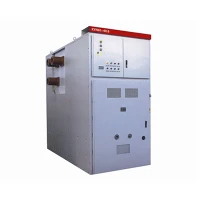
When it comes to high distribution cabinets, grounding requirements are of utmost importance. As a supplier of high - grade High Distribution Cabinets, I understand the critical nature of proper grounding in ensuring the safety, reliability, and efficient operation of these electrical components. In this blog, I'll delve into the essential grounding requirements for a High Distribution Cabinet.
1. The Purpose of Grounding in High Distribution Cabinets
Grounding plays several crucial roles in a High Distribution Cabinet. First and foremost, it provides a safe path for electrical faults. In the event of a short - circuit or an insulation failure, excessive electrical current can flow through the grounding system rather than endangering personnel or causing extensive damage to the equipment.
For instance, if a live wire accidentally comes into contact with the metal enclosure of the cabinet, without proper grounding, the enclosure could become energized. This poses a serious electrocution hazard to anyone who touches it. However, a well - grounded cabinet will quickly divert the fault current to the ground, tripping the protective devices and cutting off the power supply.
Secondly, grounding helps in stabilizing the voltage of the electrical system. It ensures that the cabinet operates within the specified voltage limits, reducing the risk of over - voltage or under - voltage conditions that could damage the sensitive electronic components inside the cabinet.
2. Types of Grounding for High Distribution Cabinets
Equipment Grounding
Equipment grounding is essential for providing a low - resistance path for fault currents to flow safely to the ground. All metallic parts of the High Distribution Cabinet, including the enclosure, frames, and support structures, must be effectively grounded. This is usually achieved by connecting these parts to a grounding busbar inside the cabinet.
The grounding conductors used for equipment grounding should be of sufficient size to carry the maximum fault current without overheating. According to electrical standards, the cross - sectional area of the grounding conductor is determined based on the ampacity of the circuit and the short - circuit rating of the system.
System Grounding
System grounding is related to the grounding of the electrical power system within the High Distribution Cabinet. In a three - phase system, for example, the neutral point of the transformer or generator supplying power to the cabinet may be grounded. System grounding helps in controlling the voltage to ground, reducing the risk of lightning - induced surges and other transient over - voltages.
It also enables the proper operation of protective devices such as over - current relays. When a fault occurs, the fault current flows through the grounded system, and the protective devices can detect this abnormal current and take appropriate action, such as tripping the circuit breaker.
3. Grounding Resistance Requirements
The grounding resistance is a critical parameter that determines the effectiveness of the grounding system. For a High Distribution Cabinet, the grounding resistance should be kept as low as possible. Generally, the recommended grounding resistance value is less than 4 ohms for commercial and industrial applications.
A low grounding resistance ensures that fault currents can flow freely to the ground, minimizing the voltage rise on the cabinet's metallic parts during a fault. Higher grounding resistances can lead to increased voltage between the cabinet and the ground, which may cause electric shocks or damage to the equipment.
To measure the grounding resistance, specialized instruments such as grounding resistance testers are used. Regular testing of the grounding system is necessary to ensure that the resistance remains within the acceptable limits over time.
4. Grounding Conductors and Connections
Grounding Conductors
The grounding conductors used in a High Distribution Cabinet must meet certain specifications. They should be made of materials with good electrical conductivity, such as copper or aluminum. Copper is a popular choice due to its high conductivity and corrosion resistance.
The size of the grounding conductor is determined by the magnitude of the fault current that it may need to carry. For larger cabinets or systems with higher fault current levels, larger - sized conductors are required. The conductor should also be protected from mechanical damage, moisture, and chemical corrosion.
Grounding Connections
Proper connections are vital for the effectiveness of the grounding system. All grounding connections should be tight, clean, and free of oxidation. Loose or corroded connections can increase the resistance in the grounding path, reducing the ability of the system to divert fault currents safely.
The grounding busbars inside the cabinet should be securely connected to the grounding electrode system outside the cabinet. This connection can be made using bolts, clamps, or welding. The contacts between the busbars and the grounding conductors should be maintained in good condition.
5. Grounding Electrode System
The grounding electrode system is the interface between the High Distribution Cabinet's grounding system and the earth. It typically consists of grounding electrodes such as ground rods, ground plates, or buried metallic pipes.
Ground rods are commonly used and are usually made of copper - clad steel. They are driven into the ground to a certain depth, typically at least 8 feet. Multiple ground rods may be used in parallel to reduce the overall grounding resistance.
The grounding electrode system should be installed in accordance with local electrical codes and standards. The electrodes should be located in areas with good soil conductivity, such as moist or well - drained soil. Periodic inspection of the grounding electrode system is necessary to check for signs of damage or corrosion.
6. Standards and Regulations
Compliance with relevant standards and regulations is non - negotiable when it comes to grounding high distribution cabinets. Standards such as the National Electrical Code (NEC) in the United States and the International Electrotechnical Commission (IEC) standards provide detailed guidelines on grounding requirements for electrical equipment.
These standards specify the minimum requirements for grounding conductors, grounding resistance, grounding connections, and the grounding electrode system. As a High Distribution Cabinet supplier, we ensure that all our products are designed and manufactured in strict compliance with these standards.
7. Comparison with Other Power Distribution Devices
When compared to Low Voltage Distribution Cabinet and Distro Power Box, High Distribution Cabinets generally handle higher voltages and larger fault currents. Therefore, the grounding requirements for High Distribution Cabinets are more stringent.


Low - voltage distribution cabinets may have slightly different grounding resistance requirements and conductor sizes, as they operate at lower voltage levels. Distro power boxes, which are often used for temporary or portable power distribution, also have their own unique grounding considerations. However, the fundamental principles of providing a safe path for fault currents and stabilizing system voltage apply to all these power distribution devices.
Proper grounding is an indispensable aspect of a High Distribution Cabinet's performance and safety. As a supplier, we are committed to providing products that meet the highest grounding standards. Whether you are in the process of upgrading your electrical system or building a new facility, our High Distribution Cabinets offer reliable and efficient power distribution solutions.
We invite you to contact us for more information about our products and to discuss your specific grounding requirements. Our team of experts is ready to assist you in making the right choice for your power distribution needs.
References
- National Electrical Code (NEC)
- International Electrotechnical Commission (IEC) standards
- Electrical Installation Handbook (Schneider Electric)