


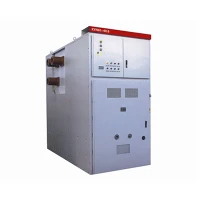
Hey there! As a supplier of low tension switchgear, I've had my fair share of experiences dealing with installation drawings. Reading these drawings can be a bit of a headache, especially if you're new to the game. But don't worry, I'm here to break it down for you and make it as easy as pie.
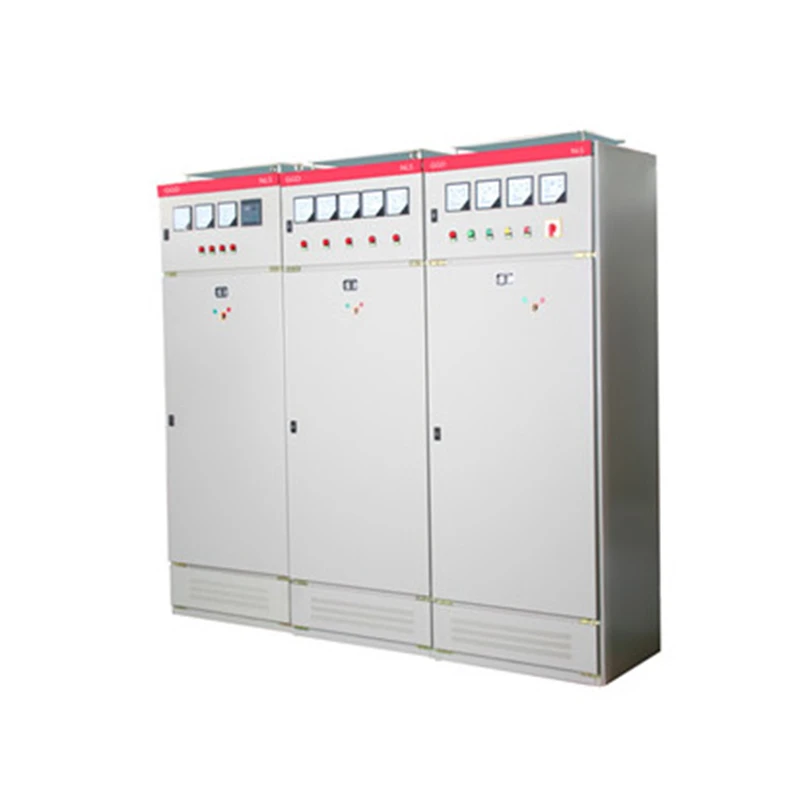

First off, let's talk about why it's so important to be able to read these installation drawings. Well, for starters, they're like a roadmap for the installation process. They show you exactly where all the components go, how they're connected, and what kind of electrical load they can handle. If you don't understand these drawings, you could end up making some pretty costly mistakes. For example, you might install a component in the wrong place, which could lead to a short circuit or even a fire. So, it's definitely worth taking the time to learn how to read them properly.
Now, let's get into the nitty - gritty of how to read these drawings.
Understanding the Symbols
The first thing you need to do is familiarize yourself with the symbols used in the installation drawings. These symbols represent different electrical components like switches, circuit breakers, fuses, and transformers. Each symbol has a specific meaning, and once you know what they are, it becomes a lot easier to understand the drawing.
For example, a simple switch is usually represented by a straight line with a small gap in the middle. A circuit breaker might be shown as a rectangle with some lines inside it to indicate its internal components. You can find a standard symbol guide online or in electrical engineering textbooks. There are also some great resources on websites like Electrical Lv Panel that can help you get up to speed on these symbols.
Reading the Dimensions
Dimensions are another crucial part of the installation drawings. They tell you the size of the switchgear and the exact location of each component within it. You'll usually see measurements in millimeters or inches, depending on the standard used in the drawing.
Pay close attention to the dimensions when you're installing the switchgear. If you're off by even a few millimeters, it could cause problems with the fit of the components or the overall functionality of the switchgear. For instance, if a circuit breaker is supposed to be installed in a specific slot and you install it a bit too far to the left or right, it might not connect properly to the other components.
Following the Wiring Diagrams
Wiring diagrams are probably the most important part of the installation drawings. They show you how all the electrical components are connected to each other. This includes things like the power supply, the load, and the control circuits.
When you're looking at a wiring diagram, start by identifying the power source. This is usually shown as a large arrow or a symbol that represents the incoming electrical power. Then, trace the wires from the power source to the different components. You'll see lines connecting the components, and these lines represent the electrical connections.
It's important to note that the wiring diagrams will also show the type of wire to be used, such as copper or aluminum, and the gauge of the wire. This is because different components require different amounts of electrical current, and the wire needs to be able to handle that current safely. You can learn more about wiring requirements on Low Voltage Power Distribution Panel.
Checking the Ratings
Every component in the low tension switchgear has a rating. This includes things like the voltage rating, the current rating, and the power rating. The ratings tell you the maximum amount of electrical energy that the component can handle safely.
When you're reading the installation drawings, make sure you check the ratings of each component. If you install a component with a lower rating than what's required, it could overheat and fail. On the other hand, if you use a component with a much higher rating than necessary, it could be more expensive and might not fit properly in the switchgear.
Understanding the Layout
The layout of the switchgear is also shown in the installation drawings. This includes the physical arrangement of the components, such as the position of the circuit breakers, the busbars, and the control panels.
A well - designed layout is important for easy access and maintenance. For example, the circuit breakers should be placed in a way that makes it easy to turn them on and off. The control panels should be located in a position where they can be easily reached by the operators. You can check out MNS Low Voltage Switchgear for some examples of good switchgear layouts.
Dealing with Annotations
Installation drawings often have annotations. These are notes or comments that provide additional information about the components, the installation process, or the safety requirements.
Make sure you read these annotations carefully. They might contain important details like the torque specifications for tightening the bolts, the recommended maintenance procedures, or the safety precautions to be taken during installation. Ignoring these annotations could lead to problems down the line.
Practice Makes Perfect
Reading installation drawings takes practice. The more you do it, the better you'll get at it. Start by looking at simple drawings and gradually work your way up to more complex ones. You can also try working with a more experienced electrician or engineer who can guide you through the process.
If you're still having trouble, don't hesitate to reach out to the manufacturer of the switchgear. They can usually provide you with more detailed information and support.
Conclusion
Reading the installation drawings of low tension switchgear is a skill that every electrician, engineer, or installer should have. By understanding the symbols, dimensions, wiring diagrams, ratings, layout, and annotations, you can ensure that the switchgear is installed correctly and safely.
If you're in the market for low tension switchgear, we're here to help. Our team of experts can provide you with high - quality switchgear and all the necessary installation drawings. We can also offer support and guidance throughout the installation process. So, if you're interested in purchasing low tension switchgear, don't hesitate to contact us for a consultation and let's start the procurement process together!
References
- Electrical engineering textbooks
- Manufacturer's documentation for low tension switchgear