

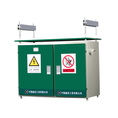
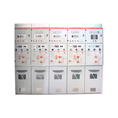
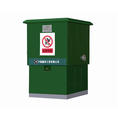
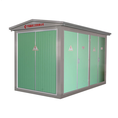
As an indispensable component of a power system, the selection of distribution box specifications is crucial for ensuring the safe and stable operation of the power system.
Distribution box specifications are typically classified based on factors such as their purpose, installation environment, load capacity, and the number of circuits they control. The following is a detailed analysis of distribution box specifications:
Classification by Purpose: Distribution boxes can be classified by purpose into power distribution boxes, lighting distribution boxes, metering distribution boxes, and control distribution boxes. Power distribution boxes are mainly used to provide power to motors and other power equipment; their specifications are usually larger and can withstand higher currents and voltages. Lighting distribution boxes are mainly used to provide power to lighting equipment; their specifications are relatively smaller and focus more on energy conservation and environmental protection. Metering distribution boxes integrate energy metering functions, facilitating the monitoring and management of power usage. Control distribution boxes are used for remote or automated control of circuits, improving the intelligence level of the power system.
Classification by Installation Environment: Distribution boxes can be classified by installation environment into indoor distribution boxes and outdoor distribution boxes. Indoor distribution boxes are typically installed in dry, well-ventilated indoor environments, with a focus on aesthetics and ease of operation. Outdoor distribution boxes, on the other hand, need to be waterproof, dustproof, and corrosion-resistant to withstand harsh outdoor environments. Therefore, outdoor distribution boxes are usually larger, made of more robust materials, and have better sealing.
Classification by Load Capacity: The load capacity of a distribution box refers to the maximum current and voltage it can withstand. Based on load capacity, distribution boxes can be divided into small, medium, and large distribution boxes. Small distribution boxes are typically used in applications with lower loads, such as homes and offices. Medium-sized distribution boxes are suitable for applications with higher loads, such as factories and shopping malls. Large distribution boxes are mainly used in large power systems or industrial equipment, capable of withstanding extremely high currents and voltages.
Classification by the Number of Circuits Controlled: Distribution boxes can also be classified according to the number of circuits they control. Single-circuit distribution boxes can only control one circuit and are suitable for simple power distribution applications. Multi-circuit distribution boxes can control multiple circuits simultaneously, improving the flexibility and efficiency of power distribution.
Common Specifications and Models: Commonly available distribution box specifications and models on the market include the PZ30 series, XL-21 series, and GGD series. The PZ30 series distribution boxes are suitable for lighting and power distribution systems, featuring a compact structure and easy installation. The XL-21 series distribution boxes are suitable for power distribution systems in industrial and civil buildings, offering high load capacity and protection levels. The GGD series distribution boxes are low-voltage distribution cabinets suitable for AC 50Hz, 380V rated voltage distribution systems, featuring strong breaking capacity and good dynamic and thermal stability. When selecting a distribution box, it is necessary to comprehensively consider factors such as the specific application scenario, load requirements, and installation environment to ensure the selection of the appropriate specification and model.