


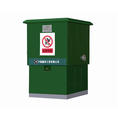

As a high voltage switchgear supplier, I often encounter inquiries about the explosion-proof requirements for high voltage switchgear. In this blog, I will delve into the key aspects of these requirements to provide a comprehensive understanding for potential customers and industry enthusiasts.
Understanding the Need for Explosion-Proof High Voltage Switchgear
High voltage switchgear is a critical component in electrical power systems, used to control, protect, and isolate electrical equipment. In certain environments, such as industrial plants, mines, and chemical facilities, there is a risk of explosive atmospheres due to the presence of flammable gases, vapors, or dust. In these situations, explosion-proof high voltage switchgear is essential to prevent the ignition of the explosive atmosphere and ensure the safety of personnel and equipment.
International Standards and Regulations
The design, manufacturing, and installation of explosion-proof high voltage switchgear are governed by a series of international standards and regulations. The most widely recognized standard is the IEC 60079 series, which provides guidelines for electrical equipment in explosive atmospheres. These standards cover various aspects, including the classification of explosive atmospheres, the selection of appropriate protection techniques, and the testing and certification procedures.
In addition to the IEC standards, many countries have their own national regulations that must be complied with. For example, in the United States, the National Electrical Code (NEC) and the Occupational Safety and Health Administration (OSHA) have specific requirements for explosion-proof electrical equipment. It is crucial for high voltage switchgear suppliers to stay up-to-date with these standards and regulations to ensure that their products meet the necessary safety requirements.
Explosion-Proof Protection Techniques
There are several protection techniques used in explosion-proof high voltage switchgear to prevent the ignition of explosive atmospheres. These techniques can be broadly classified into the following categories:
Flameproof Enclosure (Ex d)
The flameproof enclosure is one of the most common protection techniques used in explosion-proof high voltage switchgear. In this technique, the switchgear is housed in a robust enclosure that is designed to withstand the pressure of an internal explosion without allowing the flame or hot gases to escape and ignite the external explosive atmosphere. The enclosure is typically made of cast iron or steel and is carefully designed to ensure a tight seal.
Intrinsic Safety (Ex i)
Intrinsic safety is a protection technique that limits the energy available in the electrical circuit to a level that is insufficient to ignite the explosive atmosphere. This is achieved by using low-power components and carefully designing the electrical circuit to prevent the generation of sparks or excessive heat. Intrinsic safety is commonly used in applications where the risk of explosion is relatively low, such as in control circuits and instrumentation.


Pressurized Enclosure (Ex p)
In a pressurized enclosure, the switchgear is housed in an enclosure that is maintained at a higher pressure than the surrounding atmosphere. This prevents the entry of explosive gases or vapors into the enclosure. The pressurized enclosure is typically equipped with a pressure monitoring system and a ventilation system to ensure that the pressure is maintained within the required range.
Powder Filling (Ex q)
Powder filling is a protection technique that involves filling the enclosure with a non-combustible powder to prevent the ignition of the explosive atmosphere. The powder acts as a barrier between the electrical components and the explosive atmosphere, preventing the spread of flames or sparks. Powder filling is commonly used in applications where the risk of explosion is relatively high, such as in hazardous areas with flammable dust.
Design Considerations for Explosion-Proof High Voltage Switchgear
When designing explosion-proof high voltage switchgear, several factors need to be considered to ensure its safety and reliability. These factors include:
Material Selection
The materials used in the construction of the switchgear must be able to withstand the harsh conditions in explosive atmospheres. The enclosure should be made of materials that are resistant to corrosion, impact, and heat. The electrical components should also be selected based on their ability to operate safely in explosive atmospheres.
Sealing and Gasketing
Proper sealing and gasketing are essential to prevent the entry of explosive gases or vapors into the enclosure. The seals and gaskets should be made of materials that are resistant to the chemicals and gases present in the explosive atmosphere. They should also be designed to provide a tight seal to prevent the leakage of gases or vapors.
Ventilation and Cooling
Explosion-proof high voltage switchgear generates heat during operation, and proper ventilation and cooling are necessary to prevent overheating. The ventilation system should be designed to remove the heat generated by the electrical components and maintain the temperature within the safe operating range. The cooling system should also be designed to prevent the formation of hot spots that could potentially ignite the explosive atmosphere.
Electrical Clearances and Creepage Distances
Electrical clearances and creepage distances are important design parameters that ensure the safety of the switchgear. The electrical clearances are the minimum distances between the live parts of the switchgear to prevent arcing and short circuits. The creepage distances are the minimum distances along the surface of the insulation to prevent the tracking of electrical current. These distances are determined by the voltage level, the type of insulation, and the environmental conditions.
Testing and Certification
Before explosion-proof high voltage switchgear can be used in explosive atmospheres, it must undergo rigorous testing and certification to ensure that it meets the relevant standards and regulations. The testing typically includes performance testing, safety testing, and environmental testing. The certification is issued by a recognized testing laboratory or certification body.
The performance testing is used to evaluate the electrical performance of the switchgear, such as its switching capacity, short-circuit withstand capacity, and insulation resistance. The safety testing is used to evaluate the safety features of the switchgear, such as its protection against electric shock, overcurrent, and overvoltage. The environmental testing is used to evaluate the switchgear's ability to operate in different environmental conditions, such as temperature, humidity, and vibration.
Our Offerings
As a high voltage switchgear supplier, we offer a wide range of explosion-proof high voltage switchgear products that meet the highest safety standards. Our products include AC Metal-enclosed Switchgear, Metal Enclosed Interrupter Switchgear, and High Voltage Electrical Switchgear.
Our explosion-proof high voltage switchgear is designed and manufactured using the latest technology and materials to ensure its safety and reliability. We also offer customized solutions to meet the specific requirements of our customers. Our team of experienced engineers and technicians can provide technical support and assistance throughout the installation and commissioning process.
Conclusion
Explosion-proof high voltage switchgear is essential for ensuring the safety of personnel and equipment in explosive atmospheres. By understanding the explosion-proof requirements, protection techniques, design considerations, and testing and certification procedures, customers can make informed decisions when selecting high voltage switchgear for their applications.
If you are in need of explosion-proof high voltage switchgear, we invite you to contact us for a consultation. Our team of experts will be happy to assist you in selecting the right product for your needs and provide you with the necessary technical support and assistance.
References
- IEC 60079 series - Electrical apparatus for explosive gas atmospheres
- National Electrical Code (NEC)
- Occupational Safety and Health Administration (OSHA) regulations