


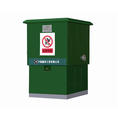

As a high voltage switchgear supplier, I understand the critical importance of certifications in the industry. High voltage switchgear plays a pivotal role in the electrical power system, ensuring the safe and reliable distribution of electricity. The certification requirements for high voltage switchgear are not only a matter of compliance but also a guarantee of quality, safety, and performance. In this blog, I will delve into the key certification requirements for high voltage switchgear and their significance.
International Electrotechnical Commission (IEC) Standards
The International Electrotechnical Commission (IEC) is a global organization that develops and publishes international standards for electrical and electronic technologies. Many high voltage switchgear certifications are based on IEC standards, which provide a common framework for manufacturers, suppliers, and users around the world.
IEC 62271-1: General Requirements
IEC 62271-1 sets out the general requirements for high voltage switchgear and controlgear. This standard covers aspects such as design, construction, testing, and safety. It defines the basic parameters and performance criteria for high voltage equipment, ensuring that it can operate safely and reliably under various conditions.
IEC 62271-100: Circuit-breakers
Circuit-breakers are an essential component of high voltage switchgear, used to interrupt the flow of current in case of a fault. IEC 62271-100 specifies the requirements for high voltage circuit-breakers, including their rated voltage, rated current, breaking capacity, and operating characteristics. Compliance with this standard ensures that circuit-breakers can effectively protect the electrical system from short circuits and other faults.
IEC 62271-102: Disconnectors and Earthing Switches
Disconnectors and earthing switches are used to isolate parts of the electrical system for maintenance and safety purposes. IEC 62271-102 outlines the requirements for these devices, including their mechanical and electrical performance, insulation properties, and operating mechanisms. Proper certification according to this standard ensures that disconnectors and earthing switches can be operated safely and reliably.


National and Regional Standards
In addition to international standards, high voltage switchgear may also need to comply with national and regional standards. For example, in the United States, the National Electrical Manufacturers Association (NEMA) and the Institute of Electrical and Electronics Engineers (IEEE) have developed standards for high voltage equipment. These standards may have specific requirements related to local electrical codes, grid conditions, and safety regulations.
Type Testing and Certification
Type testing is a crucial step in the certification process for high voltage switchgear. It involves subjecting the equipment to a series of tests to verify its compliance with the relevant standards. The tests typically include dielectric tests, mechanical tests, and short-circuit tests.
Dielectric Tests
Dielectric tests are used to assess the insulation properties of the switchgear. These tests include withstand voltage tests, partial discharge tests, and impulse voltage tests. By conducting these tests, manufacturers can ensure that the switchgear can withstand the electrical stresses it will encounter during normal operation and under fault conditions.
Mechanical Tests
Mechanical tests evaluate the mechanical performance of the switchgear, including its operating mechanisms, contact systems, and structural integrity. These tests ensure that the switchgear can operate smoothly and reliably over its service life.
Short-circuit Tests
Short-circuit tests are designed to simulate the conditions of a short circuit in the electrical system. By subjecting the switchgear to high short-circuit currents, manufacturers can verify its ability to interrupt the current and protect the system from damage.
Once the type testing is completed and the switchgear meets the requirements of the relevant standards, it can be certified. The certification is usually issued by an independent testing laboratory or certification body.
The Significance of Certification
Certification of high voltage switchgear offers several benefits for both suppliers and users.
Quality Assurance
Certification provides assurance that the switchgear meets the highest quality standards. It demonstrates that the manufacturer has followed strict design, manufacturing, and testing procedures, ensuring that the equipment is reliable and safe.
Safety
High voltage switchgear operates under high electrical stresses, and any failure can have serious consequences. Certification ensures that the switchgear has been tested and proven to meet safety requirements, reducing the risk of electrical accidents and protecting personnel and equipment.
Compatibility
Certified switchgear is more likely to be compatible with other components in the electrical system. This compatibility is essential for the proper functioning of the overall system and can help to avoid compatibility issues and performance problems.
Market Access
In many countries, certification is a requirement for selling high voltage switchgear. By obtaining the necessary certifications, suppliers can gain access to a wider market and increase their competitiveness.
Our Product Range and Certifications
As a high voltage switchgear supplier, we offer a wide range of products, including High Voltage Cable Branch Box, Metal Enclosed Interrupter Switchgear, and Smart Gas Insulated Ring Main Unit. All our products are designed and manufactured in accordance with international and national standards and have obtained the relevant certifications.
We understand the importance of providing high-quality and reliable products to our customers. Our commitment to certification ensures that our switchgear meets the highest standards of safety, performance, and quality.
Contact Us for Procurement
If you are in the market for high voltage switchgear, we invite you to contact us for procurement discussions. Our team of experts is ready to assist you in selecting the right products for your specific needs. We can provide detailed information about our products, certifications, and pricing. Whether you are a utility company, an industrial customer, or an electrical contractor, we have the solutions to meet your requirements.
References
- International Electrotechnical Commission (IEC). IEC 62271-1:2017, High-voltage switchgear and controlgear - Part 1: Common specifications.
- International Electrotechnical Commission (IEC). IEC 62271-100:2008, High-voltage switchgear and controlgear - Part 100: Circuit-breakers.
- International Electrotechnical Commission (IEC). IEC 62271-102:2017, High-voltage switchgear and controlgear - Part 102: Disconnectors, earthing switches and disconnector - earthing switches.
- National Electrical Manufacturers Association (NEMA). NEMA standards for high voltage switchgear.
- Institute of Electrical and Electronics Engineers (IEEE). IEEE standards for high voltage equipment.