


Hey there! As a power distribution cabinet supplier, I've seen my fair share of issues related to vibrations. Vibration in power distribution cabinets can be a real headache, leading to all sorts of problems like loose connections, component damage, and even system failures. So, in this blog, I'm gonna share some anti - vibration measures that we've found really effective.
Understanding the Causes of Vibration
First off, it's important to know what causes the vibrations in the first place. There are a few common culprits. One of them is the operation of electrical equipment inside the cabinet. Motors, transformers, and other devices can generate vibrations as they run. Another cause can be external factors, like the movement of machinery nearby or even the building's structure itself. For example, if the cabinet is installed in a factory where there are a lot of heavy - duty machines running, the vibrations from those machines can transfer to the power distribution cabinet.
Anti - Vibration Mounts
One of the most straightforward anti - vibration measures is using anti - vibration mounts. These are basically rubber or spring - based devices that you can place between the cabinet and its mounting surface. They work by absorbing and dampening the vibrations. When the cabinet is subjected to vibrations, the mounts compress and expand, reducing the amount of vibration that reaches the cabinet.
There are different types of anti - vibration mounts available. Rubber mounts are great because they're relatively inexpensive and easy to install. They can handle a wide range of frequencies and loads. Spring mounts, on the other hand, are more suitable for heavier cabinets or situations where there are high - amplitude vibrations. They offer better isolation for low - frequency vibrations.
We've had a lot of success with anti - vibration mounts in our installations. For instance, in a project where a power distribution cabinet was installed near a large industrial compressor, we used spring - based anti - vibration mounts. The result was a significant reduction in the vibrations transferred to the cabinet, and the customer reported fewer issues with loose connections and component failures.

Cabinet Design and Construction
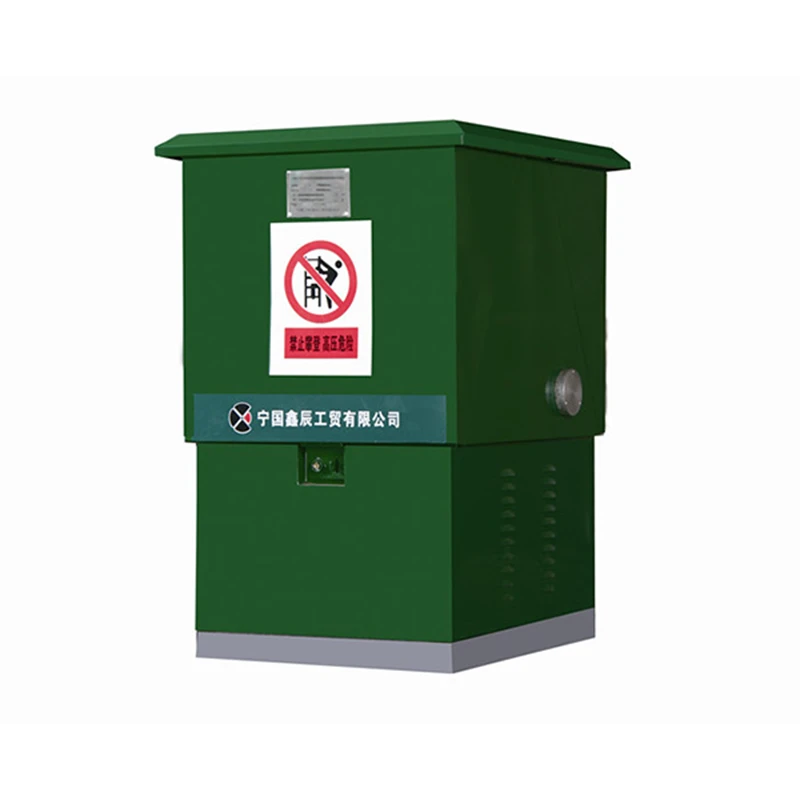
The design and construction of the power distribution cabinet also play a crucial role in reducing vibrations. A well - designed cabinet should have a rigid structure. This means using high - quality materials and proper welding techniques. For example, using thick - gauge steel for the cabinet frame can make it more resistant to vibrations.
Another aspect of cabinet design is the internal layout. Components should be arranged in a way that minimizes the transfer of vibrations. For instance, placing heavy components like transformers on a separate platform or using vibration - isolating brackets can help. We always pay close attention to these details when designing our cabinets.
Damping Materials
Damping materials can be a great addition to a power distribution cabinet. These materials work by converting the vibrational energy into heat, which is then dissipated. There are different types of damping materials available, such as viscoelastic materials.
Viscoelastic damping materials are often used in the form of sheets or tapes. You can apply them to the inside of the cabinet walls or on the components themselves. They're effective at reducing vibrations over a wide range of frequencies. We've used viscoelastic damping materials in some of our cabinets, especially in applications where there are high - frequency vibrations. The feedback from our customers has been really positive, with reports of quieter operation and fewer vibration - related problems.
Regular Maintenance and Inspection
Regular maintenance and inspection are essential for keeping the vibrations in check. Over time, the anti - vibration measures can wear out or become less effective. For example, the rubber in anti - vibration mounts can deteriorate, and the damping materials can lose their effectiveness.
During maintenance, we check the condition of the anti - vibration mounts, the tightness of the cabinet connections, and the integrity of the damping materials. If any issues are found, we replace the worn - out components or make the necessary adjustments. This proactive approach helps prevent vibration - related problems from occurring.
Isolation from External Sources
As I mentioned earlier, external sources of vibration can be a big problem. To isolate the power distribution cabinet from these sources, we can use a few different techniques. One option is to install the cabinet on a separate foundation. This can be a concrete pad that's isolated from the main building structure.
Another technique is to use vibration - isolating barriers. These can be made of materials like rubber or foam and are placed around the cabinet to block the transfer of vibrations. For example, in a building where there are a lot of foot traffic or machinery movement, we've installed vibration - isolating barriers around the power distribution cabinet. This has helped reduce the impact of external vibrations on the cabinet.
Conclusion
Well, there you have it! These are some of the anti - vibration measures that we use as a power distribution cabinet supplier. By using anti - vibration mounts, paying attention to cabinet design, using damping materials, performing regular maintenance, and isolating the cabinet from external sources, we can significantly reduce the vibrations and improve the reliability of the power distribution system.
If you're in the market for a power distribution cabinet or need to address vibration issues in your existing system, we'd love to have a chat. We've got a wide range of products, including Enclosed Switchgear, Distro Power Box, and High Distribution Cabinet. Feel free to reach out to us to discuss your specific needs and how we can help you find the best solution.
References
- "Handbook of Vibration Isolation and Control" by John W. McConnell
- "Electrical Equipment Installation and Maintenance Guide" by various industry experts