


Hey there! As a supplier of Power Factor Improvement Panels, I often get asked if these panels can actually improve power quality. Well, let's dive right into it and find out.
First off, let's talk about what power quality is. Power quality refers to how well electrical power is delivered to a system. It includes factors like voltage stability, frequency stability, and the presence of harmonics. Poor power quality can lead to all sorts of problems, such as equipment malfunction, increased energy consumption, and even damage to electrical devices.
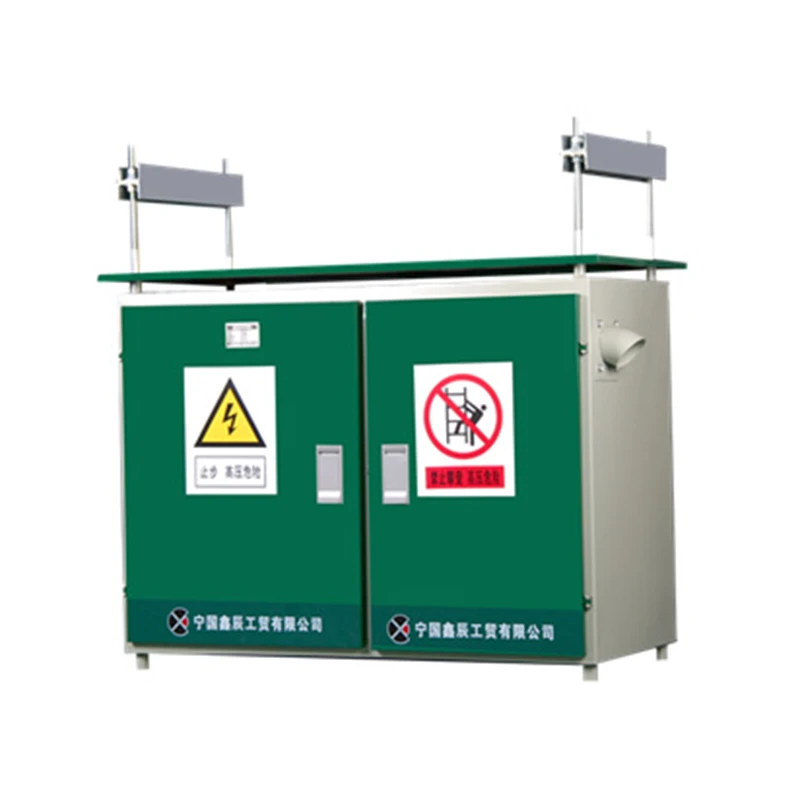
Now, what's a Power Factor Improvement Panel? It's a device that helps to correct the power factor of an electrical system. The power factor is a measure of how effectively electrical power is being used. A low power factor means that a significant amount of the electrical power is being wasted, usually in the form of reactive power. Reactive power doesn't do any useful work but still has to be supplied by the power grid. This can lead to higher electricity bills and put extra strain on the electrical infrastructure.
So, can a Power Factor Improvement Panel improve power quality? The answer is a resounding yes! Here's how:
1. Reducing Reactive Power
One of the main functions of a Power Factor Improvement Panel is to reduce the amount of reactive power in an electrical system. By doing so, it helps to make the system more efficient. When the reactive power is reduced, the overall current flowing through the system decreases. This means less heat is generated in the cables and electrical equipment, which in turn reduces the risk of overheating and equipment failure. For example, in an industrial setting with a lot of motors and inductive loads, a Power Factor Improvement Panel can significantly reduce the reactive power and improve the efficiency of the entire electrical system. You can learn more about Power Factor Improvement Panel on our website.
2. Voltage Regulation
A Power Factor Improvement Panel can also help with voltage regulation. When the power factor is low, the voltage in the electrical system can drop, especially during periods of high load. This can cause problems for sensitive electrical equipment. By improving the power factor, the panel helps to maintain a more stable voltage. It does this by compensating for the reactive power and reducing the voltage drop across the cables. This is particularly important in areas where the power grid is weak or in buildings with a large number of electrical loads.
3. Harmonic Mitigation
Harmonics are unwanted frequencies that can distort the electrical waveform. They are often caused by non-linear loads such as computers, variable speed drives, and fluorescent lights. Harmonics can cause a variety of problems, including overheating of transformers, interference with communication systems, and reduced lifespan of electrical equipment. Some Power Factor Improvement Panels are equipped with filters that can help to mitigate harmonics. These filters work by absorbing the harmonic currents and preventing them from flowing back into the electrical system. This helps to improve the overall power quality and protect the electrical equipment.
4. Energy Savings
Improving the power factor can lead to significant energy savings. When the power factor is low, the electrical system has to draw more current from the grid to meet the same amount of useful power. This means higher electricity bills. By using a Power Factor Improvement Panel to improve the power factor, the system becomes more efficient, and less current is drawn from the grid. This can result in substantial cost savings over time, especially for large industrial and commercial users.
Real - World Examples
Let's take a look at some real - world examples of how Power Factor Improvement Panels have improved power quality. A manufacturing plant was experiencing frequent equipment breakdowns and high electricity bills. After installing a Power Factor Improvement Panel, the power factor improved from 0.7 to 0.95. This led to a significant reduction in reactive power, lower current levels, and a more stable voltage. As a result, the equipment breakdowns decreased, and the electricity bills were reduced by about 15%.
Another example is a commercial building with a lot of office equipment and lighting. The building was facing problems with flickering lights and overheating of electrical panels. A Power Factor Improvement Panel was installed, which helped to reduce the harmonics and improve the power factor. The lights stopped flickering, and the temperature of the electrical panels decreased, leading to a more comfortable and reliable working environment.
Complementary Equipment
Power Factor Improvement Panels often work in conjunction with other electrical equipment to improve power quality. For example, they can be used with Cable Branch Box and LV Distribution Box. Cable Branch Boxes are used to distribute electrical power from a main cable to multiple branch cables. LV Distribution Boxes are used to distribute low - voltage electrical power to different parts of a building or facility. By working together, these pieces of equipment can ensure a more efficient and reliable electrical system.
Conclusion
In conclusion, a Power Factor Improvement Panel can definitely improve power quality. It reduces reactive power, helps with voltage regulation, mitigates harmonics, and leads to energy savings. Whether you're an industrial user, a commercial building owner, or a residential customer, improving power quality can have a significant impact on your electrical system's performance and your bottom line.
If you're interested in learning more about Power Factor Improvement Panels or want to discuss your specific power quality needs, feel free to reach out. We're here to help you optimize your electrical system and save on energy costs.

References
- "Electrical Power Systems Quality" by Roger C. Dugan, Mark F. McGranaghan, and Surya Santoso.
- "Power Factor Correction Handbook" by International Rectifier.